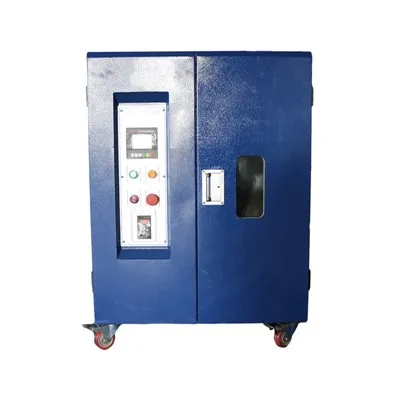
Laboratory Sample Dyeing Machine

Why Choose Us


Kelinan has inherited the original team and products of Wuxi Yabo Textile Equipment Co., Ltd., with more than 20 years of production experience, and has been committed to the dyeing machine industry, making a perfect combination from laboratory equipment to large-scale equipment in the production workshop.


Wide Product Range
Overflow dyeing machine, laboratory dyeing machine, drying and setting machine, physical testing equipment.


Large Scale
Our factory is divided into two parts: the laboratory equipment production factory is in Wuxi City, Jiangsu Province, covering an area of 1,800 square meters and with more than 30 people in the workshop. The large-scale dyeing machine production factory is located in Zibo City, Shandong Province, covering an area of 15,000 square meters and with more than 70 people in the workshop.


Wide Range of Applications
Our products are widely used in textile factories, dyeing and finishing factories, dye factories, auxiliary factories, fabric trading companies, research institutes, etc.


Advanced Equipment
We have professional production equipment such as laser machine, bending machine, automatic welding machine, rolling machine, automatic polishing machine, fully automatic pipe bending machine, laser pipe cutting machine.

First 12 Last 1/2

What is Laboratory Sample Dyeing Machine


Sample dyeing machine is to obtain satisfactory prescriptions for industrial production through proper staining and screening of dyes and auxiliaries. So sample dyeing machine will equip with correct finishing machine. If you want to know the specifications and prices of Laboratory Sample Dyeing Machine, please contact us!


Advantages of Laboratory Sample Dyeing Machine


Consistent Output
One of the significant advantages of using a cotton yarn dyeing machine is that it provides consistent output. This machine ensures that the dye is evenly distributed on the yarn, which enhances the color depth and coverage of the yarn. This consistency helps manufacturers achieve a uniform product in color and texture, thereby improving quality.


Faster Dyeing Process
Cotton yarn dyeing machines are designed to run 24/7 and are ideal for high volume production. They tend to work much faster than hand dyeing methods, which means the process gets the job done quickly. This means textile manufacturers can process more orders in less time, increasing profits.


Reduce Costs
Using a cotton yarn dyeing machine can help textile manufacturers save money in several ways. Machine dyeing does not require a lot of labor and is therefore more cost-effective than hand dyeing methods. Additionally, the machine uses less water and energy than traditional methods, reducing operating costs.


Preserving the Dye
Cotton yarn dyeing machines can also save the amount of dye used in the dyeing process compared to manual methods. This is because they can better control the amount of dye used, resulting in less waste. This is an important cost-saving measure that can benefit manufacturers in the long run.


Customization
Cotton yarn dyeing machines come with a range of customization options, enabling manufacturers to create unique bespoke designs. These machines are computer controlled and can be programmed to apply different amounts of dye to specific parts of the yarn to create intricate patterns or designs. 


How to Choose the Right Lab Dyeing Machine

Type of Fabric or Yarn
Different machines are designed for different materials, so it is important to choose one that is compatible with your product. Additionally, the machine should be able to accommodate the size of the sample you need to dye. Some machines are designed for small samples, while others can handle larger ones.


Automation
Fully automated machines can save time and reduce the risk of human error, but they may also be more expensive. Semi-automated machines may require more manual intervention, but they can be a more cost-effective option for smaller operations. It is important to weigh the benefits of automation against the cost and determine what level of automation is right for your business.

Conditions of Full-Scale Production

The sample dyeing machine should be able to mimic the temperature, pressure, and other variables that will be used in the final production process. This will ensure that the results of the sample dyeing are accurate and can be used to predict the outcome of the full-scale production.

Ease of Use

The machine should be user-friendly, with clear instructions and controls. This will reduce the risk of errors and make it easier for operators to use the machine effectively. Additionally, the machine should be easy to clean and maintain, as this will help to ensure its longevity and reliability.

Manufacturer Reputation

A reputable manufacturer will have a track record of producing high-quality machines and will offer support and training to help you get the most out of your investment. They should also offer a warranty or guarantee on their machines, which can provide peace of mind and protect your investment.


How to Maintain Laboratory Sample Dyeing Machine
 
01/

Regular Maintenance
Without proper maintenance, the machine may become less accurate, leading to inconsistent results and potentially costly mistakes. Additionally, a poorly maintained machine may be more prone to breakdowns, which can cause delays in production and result in lost revenue.

02/

keeping it Clean
Dye residue can build up over time, clogging the machine and affecting its performance. It is essential to clean the machine regularly, using the appropriate cleaning agents and following the manufacturer's instructions. This will help to ensure that the machine continues to produce accurate results and reduces the risk of breakdowns.

03/

Checking and Replacing Worn or Damaged Parts
Over time, parts of the machine may become worn or damaged, affecting its performance. It is essential to inspect the machine regularly and replace any parts that are showing signs of wear or damage. This will help to prevent breakdowns and ensure that the machine continues to function at its best.

04/

Lubrication
Moving parts of the machine require lubrication to reduce friction and prevent wear. It is essential to use the correct type of lubricant and to apply it according to the manufacturer's instructions. This will help to ensure that the machine continues to operate smoothly and reduces the risk of breakdowns.

05/

Calibration
Over time, the machine may become less accurate, leading to inconsistent results. It is essential to calibrate the machine regularly, using the appropriate tools and following the manufacturer's instructions. This will help to ensure that the machine continues to produce accurate results and reduces the risk of costly mistakes.

06/

keep a Record of All Maintenance Activities
This will help to ensure that the machine is maintained regularly and that any potential issues are identified and addressed promptly. It will also provide a record of the machine's maintenance history, which can be useful for troubleshooting and for planning future maintenance activities.


Our Factory

Our factory is divided into two parts: the laboratory equipment production factory is in Wuxi City, Jiangsu Province, covering an area of 1,800 square meters and with more than 30 people in the workshop. The large-scale dyeing machine production factory is located in Zibo City, Shandong Province, covering an area of 15,000 square meters and with more than 70 people in the workshop. From sheet metal processing to assembly, the quality of the entire assembly line is controlled by ourselves.

page-787-541


Frequently Asked Questions
 

Q: What is the impact of dyeing machines on the environment?

A: Lab dyeing equipment plays a crucial role in the textile industry, allowing manufacturers to test and perfect their dyeing processes before moving on to full-scale production. However, the environmental impact of these machines is often overlooked. With the increasing awareness of the need for sustainable practices, it is important to understand the different types of sample dyeing machines and their impact on the environment.
Sample dyeing machines come in various types, each with its own set of advantages and disadvantages. The most common types include infrared dyeing machines, high-temperature dyeing machines, and atmospheric dyeing machines. Infrared dyeing machines use infrared radiation to heat the dye bath, which can result in faster dyeing times and lower energy consumption. High-temperature dyeing machines, on the other hand, use high temperatures and pressures to achieve deep and vibrant colors. Atmospheric dyeing machines operate at lower temperatures and pressures, making them more suitable for delicate fabrics.
Each type of sample dyeing machine has its environmental impact. Infrared dyeing machines, for example, use less energy than traditional dyeing machines, which can result in lower carbon emissions. However, they may also require more frequent maintenance, which can lead to increased waste and the use of potentially harmful chemicals. High-temperature dyeing machines, while capable of producing high-quality results, consume large amounts of energy and water, which can have a significant impact on the environment. Atmospheric dyeing machines, while more gentle on fabrics, may also require longer dyeing times, which can result in higher energy consumption.
In addition to the type of machine used, the dyeing process itself can have a significant impact on the environment. The use of synthetic dyes, for example, can result in the release of harmful chemicals into the environment. These chemicals can contaminate water sources and harm aquatic life. Natural dyes, on the other hand, are often seen as a more sustainable option, as they are derived from renewable sources and are biodegradable. However, natural dyes may also require the use of large amounts of water and energy to achieve the desired color.
To mitigate the environmental impact of sample dyeing machines, manufacturers can take several steps. One approach is to invest in energy-efficient machines that use less water and energy. Another is to use eco-friendly dyes and chemicals that are less harmful to the environment. Additionally, manufacturers can implement water recycling systems to reduce water consumption and minimize waste.
In conclusion, the environmental impact of lab dyeing equipment is an important consideration for the textile industry. With a variety of sample dyeing machines available, each with its own set of environmental implications, it is important for manufacturers to carefully consider their options and take steps to minimize their impact on the environment. By investing in energy-efficient machines, using eco-friendly dyes, and implementing water recycling systems, manufacturers can reduce their environmental footprint and contribute to a more sustainable future.

Q: How to control the cost of dyeing machines?

A: Sample dyeing machines are an essential tool in the textile industry, allowing manufacturers to test and perfect their dyeing processes before moving on to full-scale production. These machines come in various types, each with its own set of features and capabilities, and understanding the differences between them is crucial for making informed purchasing decisions.
The most basic type of sample dyeing machine is the beaker dyeing machine, which is designed for small-scale dyeing experiments. These machines typically consist of a series of beakers or containers, each of which can hold a small amount of fabric and dye. Beaker dyeing machines are ideal for testing new dye formulations or for experimenting with different dyeing techniques, as they allow for precise control over the dyeing process.
Another common type of sample dyeing machine is the infrared dyeing machine, which uses infrared radiation to heat the dye bath. This type of machine is known for its fast dyeing times and consistent results, making it a popular choice for manufacturers who need to quickly test and refine their dyeing processes.
For larger-scale dyeing experiments, manufacturers may opt for a jet dyeing machine. These machines use a high-pressure jet of dye to penetrate the fabric, resulting in a more even and consistent dye job. Jet dyeing machines are often used for testing dyeing processes on larger pieces of fabric or for simulating the conditions of full-scale production.
Another option for manufacturers is the pad dyeing machine, which uses a series of rollers to apply dye to the fabric. This type of machine is ideal for testing dyeing processes on fabrics that are difficult to dye using other methods, such as those with a high degree of stretch or a complex weave.
Finally, there are also sample dyeing machines that are designed specifically for use with certain types of dyes or fabrics. For example, some machines are optimized for use with reactive dyes, while others are designed for use with natural dyes or synthetic fibers.
When it comes to the cost analysis of sample dyeing machines, there are several factors to consider. The first is the initial purchase price of the machine, which can vary widely depending on the type and features of the machine. Beaker dyeing machines, for example, are typically less expensive than jet dyeing machines, but they may not be suitable for all types of dyeing experiments.
Another important factor to consider is the ongoing cost of operating the machine, including the cost of energy, water, and dye. Infrared dyeing machines, for example, may have higher energy costs than other types of machines, but they may also offer faster dyeing times and more consistent results.
Finally, manufacturers should also consider the cost of maintenance and repairs for the machine, as well as the availability of replacement parts and technical support. A machine that is difficult or expensive to maintain may end up costing more in the long run, even if it has a lower initial purchase price.

Q: What types of fabrics can be dyed using these machines?

A: Laboratory sample dyeing machines can accommodate a wide variety of fabrics, including natural fibers such as cotton, silk, wool, and linen, synthetic fibers like polyester, nylon, and acrylic, as well as blended fabrics that combine both natural and synthetic fibers.

Q: How does a laboratory sample dyeing machine work?

A: A laboratory sample dyeing machine operates by immersing fabric samples in a dye solution while controlling critical parameters such as temperature, time, and agitation; the machine regulates these variables to ensure optimal dye absorption and performance, which may also include features for rinsing and drying the samples post-dyeing.

Q: What are the key features of a laboratory sample dyeing machine?

A: The key features of laboratory sample dyeing machines often include digital control panels that facilitate easy adjustments of temperature, time, and other parameters, variable agitation mechanisms that simulate different dyeing conditions, multiple dyeing compartments that allow for simultaneous testing of different dyes or fabrics, recycling systems to minimize water and dye waste, and safety features such as temperature alarms and emergency shut-off controls to ensure operator safety.

Q: What are the benefits of using a laboratory sample dyeing machine?

A: The benefits of using a laboratory sample dyeing machine include achieving precision and consistency in dyeing processes, cost-effective testing that allows for small-scale trials and reduces material waste, time efficiency that facilitates quick testing and development of new dyeing techniques and colors, and improved quality control that helps maintain high standards for finished products.

Q: How do I choose the right laboratory sample dyeing machine?

A: When selecting the right laboratory sample dyeing machine, it is essential to consider factors such as the types of fabrics you plan to dye, the dyeing capacity required for the size and volume of fabric samples, the control features available for precise parameter adjustments, your budget to evaluate the price range that fits within your financial constraints while meeting your requirements, and the level of manufacturer support, including the availability of technical assistance and service.

Q: What safety precautions should be taken when using a laboratory sample dyeing machine?

A: Safety precautions when using a laboratory sample dyeing machine should include wearing appropriate personal protective equipment (PPE), such as gloves, goggles, and lab coats to protect against chemicals and heat, ensuring that the dyeing area is well-ventilated to prevent inhalation of fumes from dyes and chemicals, understanding machine operation through proper training for operators to be familiar with the machine's features and safety protocols, and conducting regular maintenance to ensure the machine remains in good working order.

Q: How do I maintain a laboratory sample dyeing machine?

A: To maintain a laboratory sample dyeing machine effectively, it is recommended to regularly clean the machine after each use to prevent dye residue buildup, inspect components such as hoses, valves, and pumps for signs of wear or damage, calibrate settings periodically to ensure accurate temperature and timing, and adhere to the specific maintenance procedures outlined by the manufacturer to prolong the machine's lifespan.

Q: What is the typical lifespan of a laboratory sample dyeing machine?

A: The typical lifespan of a laboratory sample dyeing machine can vary based on factors such as usage frequency, maintenance practices, and the overall quality of the machine, but generally, well-maintained machines can last anywhere from 10 to 20 years, and regular servicing and adherence to operational guidelines can help extend their longevity.

Q: Are there specific standards or certifications for laboratory sample dyeing machines?

A: Yes, laboratory sample dyeing machines may need to comply with various industry standards and certifications, such as ISO standards related to quality management and environmental impact, as well as ASTM standards for textile testing and dyeing processes, and adherence to these certifications ensures that the machines meet established safety and performance benchmarks.

Q: What are the main applications of laboratory sample dyeing machines?

A: Laboratory sample dyeing machines are primarily utilized in the textile and garment manufacturing industries for several key applications, including color testing to evaluate how different dyes perform on various fabrics, process optimization to refine dyeing techniques for efficiency and consistency, quality control to ensure that samples meet specific color and quality standards prior to mass production, and research and development to experiment with new dyes and fabric blends.

We're professional laboratory sample dyeing machine manufacturers and suppliers in China, specialized in providing high quality customized service. We warmly welcome you to wholesale high-grade laboratory sample dyeing machine made in China here from our factory.

Infrared High Temperature Sample Dyeing Machine, Sand High Temperature Sample Dyeing Machine, High Temperature Sample Dyeing Machine

whatsapp

Phone

E-mail

Inquiry

Bag