


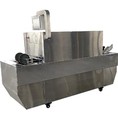


Ensuring the stable capacity performance of a fabric dyeing machine is crucial for textile manufacturers aiming to maintain high - quality production, reduce costs, and meet market demands. As a supplier of capacity fabric dyeing machines, I have witnessed firsthand the challenges and solutions related to achieving consistent capacity performance. In this blog, I will share some key strategies and considerations to help you ensure the stable capacity performance of your fabric dyeing machine.


Understanding the Capacity of Fabric Dyeing Machines
Before delving into how to ensure stable capacity performance, it's essential to understand what capacity means in the context of fabric dyeing machines. The capacity of a fabric dyeing machine refers to the amount of fabric it can process within a specific time frame while maintaining consistent dyeing quality. This capacity is influenced by various factors, including the machine's design, the type of fabric being dyed, the dyeing process, and the operating conditions.
There are different types of fabric dyeing machines available in the market, each with its own capacity characteristics. For example, the J - type Dyeing Machine is known for its high - capacity and efficient dyeing process, suitable for large - scale textile production. On the other hand, the Medium Sample Dyeing Machine is designed for smaller - scale dyeing, often used for sample production and color matching.
Factors Affecting Capacity Performance
Machine Design and Build Quality
The design and build quality of a fabric dyeing machine play a significant role in its capacity performance. A well - designed machine with high - quality components is more likely to operate efficiently and maintain stable capacity over time. For example, a machine with a properly sized dye bath and a well - engineered circulation system can ensure uniform dye distribution, which is essential for high - capacity dyeing. Additionally, the use of durable materials in the construction of the machine can prevent wear and tear, reducing the risk of breakdowns and capacity loss.
Fabric Type and Characteristics
Different types of fabrics have different dyeing requirements, which can affect the capacity performance of a dyeing machine. For instance, thick and heavy fabrics may require a longer dyeing time and more dye solution compared to thin and lightweight fabrics. Fabrics with complex textures or blends may also pose challenges in achieving uniform dyeing, which can limit the machine's capacity. It's important to understand the characteristics of the fabrics you are dyeing and adjust the machine settings accordingly to optimize capacity.
Dyeing Process and Parameters
The dyeing process and parameters, such as temperature, pressure, dye concentration, and dyeing time, have a direct impact on the capacity performance of a fabric dyeing machine. Incorrect process parameters can lead to uneven dyeing, longer dyeing cycles, and reduced capacity. For example, if the dyeing temperature is too low, the dye may not penetrate the fabric effectively, requiring a longer dyeing time. On the other hand, if the dye concentration is too high, it can cause dye precipitation and staining, which can also affect the quality and capacity of the dyeing process.
Maintenance and Cleaning
Regular maintenance and cleaning are essential for ensuring the stable capacity performance of a fabric dyeing machine. Over time, dirt, dye residues, and scale can accumulate in the machine, affecting its operation and capacity. For example, clogged pipes and filters can reduce the circulation of the dye solution, leading to uneven dyeing and reduced capacity. By performing regular maintenance tasks, such as cleaning the dye bath, checking the circulation system, and replacing worn - out parts, you can keep the machine in optimal condition and prevent capacity loss.
Strategies to Ensure Stable Capacity Performance
Machine Selection and Configuration
When choosing a fabric dyeing machine, it's important to select a machine that is suitable for your production needs. Consider factors such as the type and volume of fabrics you will be dyeing, the required dyeing quality, and your production capacity goals. Our Fabric Dyeing Machine range offers a variety of models with different capacities and features to meet the diverse needs of textile manufacturers. Additionally, proper configuration of the machine, such as adjusting the dye bath volume, circulation speed, and temperature control settings, can optimize its capacity performance.
Process Optimization
Optimizing the dyeing process is crucial for achieving stable capacity performance. Conduct regular process audits to identify areas for improvement, such as reducing dyeing time, improving dye utilization, and enhancing dyeing quality. This can involve adjusting the dyeing parameters, using more efficient dyes and chemicals, and implementing advanced dyeing techniques. For example, some modern dyeing machines are equipped with automated control systems that can precisely adjust the process parameters based on the fabric type and dyeing requirements, ensuring consistent and efficient dyeing.
Staff Training and Skill Development
The skills and knowledge of the machine operators also play a vital role in ensuring stable capacity performance. Provide comprehensive training to your operators on the proper operation, maintenance, and troubleshooting of the fabric dyeing machine. Train them on how to adjust the machine settings based on the fabric type and dyeing process, how to perform regular maintenance tasks, and how to identify and solve common problems. Well - trained operators are more likely to operate the machine efficiently, prevent breakdowns, and maintain stable capacity.
Monitoring and Data Analysis
Implement a monitoring system to track the performance of the fabric dyeing machine. This can include monitoring parameters such as temperature, pressure, flow rate, and dye concentration in real - time. By analyzing the data collected from the monitoring system, you can identify trends, detect potential problems early, and make informed decisions to optimize the machine's capacity performance. For example, if you notice a gradual decrease in the flow rate of the dye solution, it may indicate a clogged filter or a problem with the circulation pump, which can be addressed before it affects the capacity.
Conclusion
Ensuring the stable capacity performance of a fabric dyeing machine is a complex but achievable goal. By understanding the factors that affect capacity performance, implementing appropriate strategies, and continuously monitoring and optimizing the machine's operation, textile manufacturers can achieve high - quality, efficient, and consistent dyeing production. As a supplier of capacity fabric dyeing machines, we are committed to providing our customers with high - quality machines, technical support, and solutions to help them meet their production needs.
If you are interested in learning more about our fabric dyeing machines or need assistance in ensuring the stable capacity performance of your existing machines, please feel free to contact us for a detailed discussion and procurement negotiation. We look forward to working with you to achieve your textile production goals.
References
- Textile Dyeing Technology Handbook, 2nd Edition
- Journal of Textile Science and Engineering, various issues on fabric dyeing processes
- International Textile Manufacturers Federation reports on dyeing machine performance and efficiency