


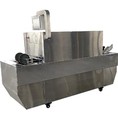
Hey there! As a supplier of Room Temperature Dyeing Machines, I often get asked this question: Does a room temperature dyeing machine require special dyes? Well, let's dive right in and explore this topic.
First off, let's understand what a room temperature dyeing machine is. It's a piece of equipment that allows you to dye various materials at normal room temperature. This is different from some other dyeing machines that might require high temperatures to work effectively. Room temperature dyeing machines are great because they're energy - efficient, and they're less likely to damage heat - sensitive materials.
Now, to answer the big question: Do you need special dyes? The short answer is, it depends.
General Dye Compatibility
In many cases, you don't necessarily need special dyes for a room temperature dyeing machine. A lot of common dyes can work just fine at room temperature. For example, acid dyes are often used for dyeing protein - based fibers like wool and silk. These dyes can be applied at room temperature with the help of a suitable mordant or fixative. They have good solubility in water at normal temperatures, and they can bond well with the fibers without the need for high heat.
Direct dyes are another type that can be used in room temperature dyeing. They're water - soluble and can be directly absorbed by cellulose fibers such as cotton and linen. You can achieve decent color fastness with direct dyes at room temperature, especially when you use appropriate after - treatments.
However, not all dyes are created equal when it comes to room temperature dyeing.
When Special Dyes Might Be Needed
Some dyes are formulated to work best at high temperatures. For instance, disperse dyes are commonly used for dyeing synthetic fibers like polyester. These dyes have low solubility in water at room temperature, and they need high heat to penetrate the tightly - packed polyester fibers effectively. If you try to use disperse dyes in a room temperature dyeing machine, you might end up with uneven color or poor color fastness. In this case, you'd need to look for special low - temperature disperse dyes that are designed to work at room temperature.
Reactive dyes are also a bit tricky. They form a covalent bond with the fibers, which usually requires a certain amount of heat and alkaline conditions. While there are some low - temperature reactive dyes available, the standard high - temperature reactive dyes may not perform well in a room temperature dyeing machine. Special low - temperature reactive dyes have been developed to address this issue. These dyes have a different chemical structure that allows them to react with the fibers at lower temperatures.
Advantages of Using the Right Dyes
Using the appropriate dyes for your room temperature dyeing machine can bring several benefits. Firstly, it ensures better color quality. You'll get more even and vibrant colors on your fabrics. The dyes will bond properly with the fibers, resulting in good color fastness. This means that the colors won't fade easily when the dyed fabric is washed or exposed to sunlight.
Secondly, it can save you time and money. When you use the right dyes, you don't have to waste time and energy trying to make unsuitable dyes work. You also reduce the risk of having to re - dye the fabric due to poor results.
Our Room Temperature Dyeing Machines and Dye Compatibility
At our company, we understand the importance of dye compatibility with our room temperature dyeing machines. We've done a lot of research and testing to ensure that our machines can work well with a wide range of dyes. We can provide guidance to our customers on which dyes are best suited for different types of materials.


If you're interested in learning more about the dyeing process and the dyes that work best with our machines, we have some great resources on our website. You can check out our Infrared High Temperature Sample Dyeing Machine page, which also has some useful information about dyeing techniques. Our Fabric Daye Machine and Sand Sample Dyeing Machine pages are also full of valuable insights.
Factors Affecting Dye Selection
Apart from the dye type, there are other factors that can affect your choice of dyes for a room temperature dyeing machine.
The type of fiber you're dyeing is a crucial factor. Different fibers have different chemical and physical properties, which determine how they interact with dyes. For example, as mentioned earlier, protein - based fibers and cellulose fibers have different dye - affinity compared to synthetic fibers. You need to choose dyes that are specifically formulated for the type of fiber you're working with.
The desired color fastness is another important consideration. If you need the dyed fabric to withstand multiple washes, exposure to sunlight, and other environmental factors, you'll need to select dyes that offer high color fastness. Some dyes may provide good initial color but fade quickly over time. Special dyes with enhanced color - retention properties might be necessary in such cases.
Tips for Successful Room Temperature Dyeing
If you're using a room temperature dyeing machine, here are some tips to ensure successful dyeing:
- Prepare the fabric properly: Make sure the fabric is clean and free from any dirt, grease, or sizing agents. You can pre - treat the fabric with a mild detergent to improve dye absorption.
- Follow the dye instructions: Read the instructions on the dye package carefully. Pay attention to the recommended dye concentration, mordant or fixative requirements, and the dyeing time.
- Use the right equipment: In addition to the dyeing machine, you'll need other equipment such as dyeing vessels, stirring rods, and thermometers. Make sure they're clean and in good condition.
- Test first: Before dyeing a large batch of fabric, it's a good idea to do a small test sample. This will help you determine the right dyeing conditions and ensure that you're getting the desired color.
Contact Us for More Information
If you're in the market for a room temperature dyeing machine or if you have any questions about dye selection and usage, don't hesitate to reach out. We're here to help you make the most of your dyeing process. Whether you're a small - scale artisan or a large - scale textile manufacturer, we have the expertise and the products to meet your needs.
In conclusion, while a room temperature dyeing machine doesn't always require special dyes, there are situations where they might be necessary. By understanding the different types of dyes and their compatibility with various fibers, you can achieve great results in your room temperature dyeing projects.
References
- "Textile Dyeing and Finishing" by J. E. Wilkinson
- "The Handbook of Fiber Science and Technology" edited by Mark, Atlas, and Zeronian