


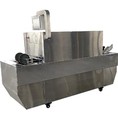
Hey there! As a supplier of Color Matching Cabinets, I often get asked if these nifty devices can be used for furniture color matching. Well, let's dive right in and find out.
First off, let's understand what a Color Matching Cabinet is. It's a specialized piece of equipment designed to provide a controlled environment for color assessment. Inside the cabinet, you've got different light sources that mimic various lighting conditions, like natural daylight, fluorescent light, and incandescent light. This is crucial because colors can look different under different lighting, and you want to make sure that the color you see is the color you're actually getting.
Now, when it comes to furniture, color is a big deal. Whether you're a furniture manufacturer, a designer, or just someone looking to spruce up your living space, getting the right color is essential. Furniture comes in all sorts of materials, from wood to fabric, and each material can absorb and reflect light differently, which affects how the color appears.
So, can a Color Matching Cabinet be used for furniture color matching? The answer is a resounding yes! Here's why.
Consistency in Color Assessment
One of the main advantages of using a Color Matching Cabinet is that it provides consistent lighting conditions. When you're looking at a piece of furniture, the color can vary depending on whether you're in a sunny room, a dimly lit corner, or under artificial light. With a Color Matching Cabinet, you can eliminate these variables and see the true color of the furniture.


For example, let's say you're a furniture manufacturer and you're trying to match the color of a new fabric upholstery to the existing wood frame. If you're just looking at the fabric and wood in your workshop, the color might seem to match under the fluorescent lights, but when you move the furniture to a showroom with natural daylight, the colors might look completely different. By using a Color Matching Cabinet, you can test the color match under different light sources and ensure that it looks consistent no matter where the furniture is placed.
Spotting Color Differences
Another benefit of using a Color Matching Cabinet is that it can help you spot subtle color differences that might not be visible under normal lighting. This is especially important when you're dealing with high - end furniture or when you need to match colors precisely.
Let's take the example of a designer who is creating a custom - made sofa. The client has specified a particular shade of blue for the fabric, and the designer has sourced a few different samples. By using a Color Matching Cabinet, the designer can easily compare the samples side by side under different light sources and pick the one that matches the client's requirements exactly. Without the cabinet, it might be difficult to tell the difference between the samples, and the designer could end up with a sofa that doesn't look quite right.
Quality Control
For furniture manufacturers, quality control is a top priority. A Color Matching Cabinet can be an invaluable tool in the quality control process. By using the cabinet to check the color of each piece of furniture before it leaves the factory, manufacturers can ensure that their products meet the highest standards.
Let's say a manufacturer is producing a line of dining chairs. They want to make sure that all the chairs in a set have the same color finish. By using a Color Matching Cabinet, they can quickly and easily check the color of each chair and make any necessary adjustments. This helps to reduce the number of returns and complaints from customers, which ultimately saves the manufacturer time and money.
How to Use a Color Matching Cabinet for Furniture Color Matching
Using a Color Matching Cabinet for furniture color matching is relatively straightforward. Here's a step - by - step guide:
- Prepare the Samples: If you're matching a new piece of furniture to an existing one, make sure you have samples of both. Cut small pieces of fabric or take a small wooden sample if possible.
- Select the Light Sources: Most Color Matching Cabinets have multiple light sources. Start with a standard light source, such as D65 (which mimics natural daylight), and then switch to other light sources to check for color differences.
- Place the Samples: Place the samples inside the cabinet side by side. Make sure they are flat and not overlapping.
- Assess the Color: Look at the samples carefully and compare the colors. Check for any differences in hue, saturation, or brightness.
- Record the Results: If you're working on a project, it's a good idea to record the results. Take notes on the color match under each light source and any adjustments that need to be made.
Other Related Equipment
While a Color Matching Cabinet is a great tool for furniture color matching, there are other pieces of equipment that can complement its use. For example, a Rubbing Color Fastness Tester can be used to test how well the color of the furniture fabric holds up to rubbing. This is important because furniture is often subject to wear and tear, and you want to make sure that the color doesn't fade or transfer easily.
Another useful piece of equipment is a Color Washing Fastness Tester. This can be used to test how well the color of the furniture fabric withstands washing. If you're dealing with upholstered furniture that needs to be cleaned regularly, this is an important test to ensure that the color remains vibrant.
Conclusion
In conclusion, a Color Matching Cabinet is an excellent tool for furniture color matching. It provides consistent lighting conditions, helps you spot color differences, and is a valuable asset in the quality control process. Whether you're a furniture manufacturer, a designer, or a consumer looking to make sure you're getting the right color for your furniture, a Color Matching Cabinet can make a big difference.
If you're interested in learning more about Color Matching Cabinets or are thinking about purchasing one for your furniture color matching needs, don't hesitate to reach out. We're here to help you find the right solution for your business or personal project. You can check out our Color Matching Cabinet product page for more information.
References
- ASTM International. (20XX). Standard test methods for color and color - difference measurement.
- ISO Standards. (20XX). International standards for color assessment in various industries.